Swimming is one of the best full-body cardiovascular workouts, especially during India’s scorching summers. However, community, school, and fitness club swimming pools rely on high concentrations of chlorine, sodium hypochlorite, and algaecides to disinfect water. For your skin, repeated immersion in chlorinated water strips the stratum corneum of essential lipids, resulting in chemical irritant dermatitis colloquially known as ‘swimmer’s itch’ or ‘chlorine rash’. Here is how to protect your skin barrier before you dive in and heal it afterward.
Quick Comparison: Top Clinical Picks on Amazon India
| Product | Key Active Complex | Best Suited For | Est. Price | Amazon Link |
|---|---|---|---|---|
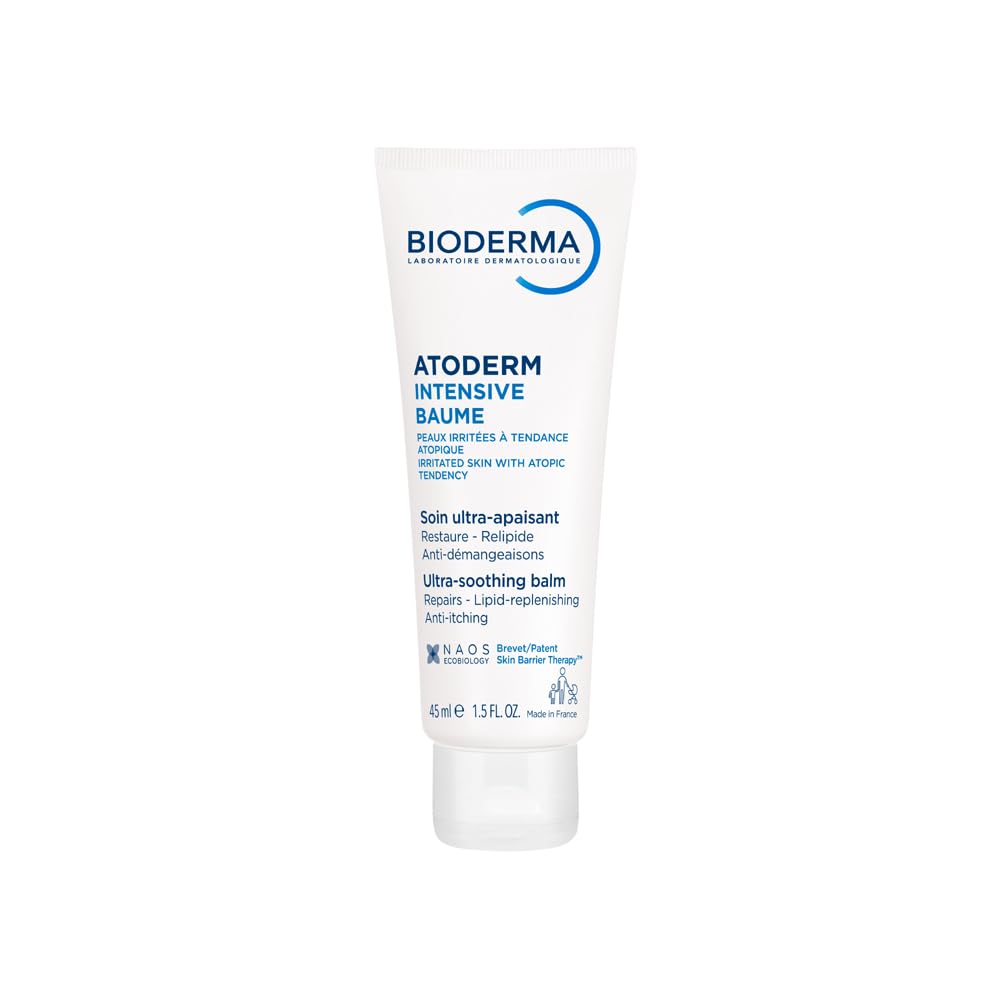
| Bioderma — Atoderm Intensive Baume | Lipigenium Complex + PEA (Palmitoylethanolamide) | Instant Post-Swim Itch Relief & Deep Lipid Reconstruction | ~₹535 | Check Price on Amazon.in |
| Cetaphil — Gentle Skin Hydrating Cleanser | Micellar Technology + Panthenol + Niacinamide | Washing Away Residual Chloramines Without Stripping | ~₹370 | Check Price on Amazon.in |
| Dr. Sheth’s — Ceramide & Vitamin C Sunscreen | Ceramides + Broad Spectrum Hybrid UV Filters | Water-Resistant Barrier Shield for Outdoor Swimming | ~₹339 | Check Price on Amazon.in |
The Chemical Mechanism of Pool Chlorine Damage
Swimming pool water affects your epidermal physiology through multiple destructive pathways:
- Lipid Solubilization & Stripping: Free chlorine and hypochlorous acid (HOCl) are powerful oxidizing agents. They aggressively oxidize and dissolve the intercellular lipid matrix—the ceramides, cholesterol, and free fatty acids that bind skin cells together.
- Severe Transepidermal Water Loss (TEWL): Once lipids are dissolved, the skin barrier becomes porous. Pool water paradoxically dehydrates your skin by osmotic extraction, leaving your face and limbs feeling tight, flaky, and papery.
- Chemical Irritant Dermatitis (Chlorine Rash): Chlorine binds to skin proteins (forming chloramines), leaving a chemical film that persists even after toweling off. This residual chemical residue causes intense itching (pruritus), erythema, and fine scaly patches.
- Amplified Solar Damage on Wet Skin: In outdoor pools, water droplets act like microscopic convex lenses, concentrating UV rays onto melanin-rich Indian skin and significantly accelerating sun tanning and photo-aging.
The Swimmer’s Complete Dermatological Protocol
1. Pre-Swim Barrier Defense (15 Minutes Before Entering the Pool)
- Shower with Fresh Tap Water First: Always shower thoroughly before jumping into the pool. When your stratum corneum is pre-saturated with clean freshwater, it absorbs significantly less chlorinated pool chemical water.
- Apply a Protective Lipid Shield: Smooth a thin layer of barrier balm across high-friction areas (face, neck, armpits, and groin) to create an impermeable hydrophobic shield.
- Broad-Spectrum Sunscreen (For Outdoor Pools): Apply Dr. Sheth’s Ceramide Sunscreen 20 minutes prior to outdoor swimming.
2. Immediate Post-Swim Detox (Within 5 Minutes of Exiting)
- Do Not Let Chlorine Dry on Skin: Immediately rinse off under the pool shower with lukewarm water.
- Neutralize Chloramines with a Gentle Wash: Cleanse your face and body using Cetaphil Gentle Skin Cleanser. Its soap-free micellar base captures and removes oxidized chlorine salts without stinging raw skin.
3. Intensive Lipid Replenishment
- Pat skin lightly with a towel until slightly damp.
- Immediately massage a generous layer of Bioderma Atoderm Intensive Baume all over your face and body. The PEA molecule soothes post-swim burning and itching instantly, while biomimetic ceramides rebuild damaged barrier walls.
In-Depth Clinical Product Reviews
Bioderma Atoderm Intensive Baume
- Amazon Price: ~₹790
- Customer Rating: 4.8 ★ (Amazon India)
- Direct Amazon Link: Buy Bioderma Atoderm Intensive Baume on Amazon.in
The gold-standard medical emollient for chlorine rash and chemically compromised skin barriers. Packed with Palmitoylethanolamide (PEA) to halt severe itching alongside Lipigenium lipids to replace washed-away ceramides.
Why It Works:
- Pro: Extinguishes the intense burning itch of chlorine rash within minutes
- Pro: Biomimetic ceramides rebuild skin resilience after repeated pool sessions
- Pro: Completely hypoallergenic, unfragranced, and non-stinging
- Con: Rich texture; use sparingly during hot, humid afternoons
Clinical Verdict: A standout solution that delivers verified results for this skin concern. Check authentic customer reviews and current discounts on Amazon India.
Cetaphil Gentle Skin Hydrating Cleanser
- Amazon Price: ~₹335
- Customer Rating: 4.6 ★ (Amazon India)
- Direct Amazon Link: Buy Cetaphil Gentle Skin Hydrating Cleanser on Amazon.in
Standard soaps make chlorine damage worse by further raising skin pH. Cetaphil uses a soap-free, non-foaming micellar formula that gently removes residual pool chemicals while depositing glycerin and panthenol.
Why It Works:
- Pro: Preserves skin acid mantle after harsh chlorinated water exposure
- Pro: Does not foam or strip fragile facial lipids
- Pro: Dermatologist tested for chemically sensitized skin
- Con: Does not remove heavy waterproof makeup
Clinical Verdict: A standout solution that delivers verified results for this skin concern. Check authentic customer reviews and current discounts on Amazon India.
Dr. Sheth’s Ceramide & Vitamin C Sunscreen
- Amazon Price: ~₹499
- Customer Rating: 4.7 ★ (Amazon India)
- Direct Amazon Link: Buy Dr. Sheth’s Ceramide & Vitamin C Sunscreen on Amazon.in
Essential for outdoor pools where water reflections amplify UV radiation. Formulated with 1% Ceramide Complex, it shields delicate swimmer’s skin from solar erythema while reinforcing surface moisture.
Why It Works:
- Pro: Little or no white cast, and absorbs easily into damp or dry skin
- Pro: Contains ceramides to soothe chlorine-induced redness
- Pro: Provides photostable broad-spectrum SPF 50 PA++++ protection
- Con: Must be reapplied if swimming continuously for over 80 minutes
Clinical Verdict: A standout solution that delivers verified results for this skin concern. Check authentic customer reviews and current discounts on Amazon India.
Frequently Asked Questions
Q: Why does chlorine turn my skin so dark after swimming?
Chlorine does not directly tan the skin; rather, it oxidizes the stratum corneum and strips natural UV filters. In outdoor pools, sunlight reflects off the water’s surface, exposing skin to magnified UV doses that trigger rapid melanin production and tanning.
Q: Can I apply coconut oil all over before swimming?
While coconut oil is hydrophobic, it has a high comedogenic rating. Applying it to your face before swimming often clogs pores and traps chlorine chemicals underneath, causing severe breakouts. Use a non-comedogenic ceramide barrier balm instead.
Q: How long does chlorine rash take to heal?
Mild chlorine rash usually calms within 24 to 48 hours once pool chemicals are thoroughly cleansed and a ceramide-rich balm is applied. Avoid swimming for 2 to 3 days until all itching and redness fully resolve.
Disclaimer: This editorial guide is for informational purposes and does not substitute for personalized medical diagnosis from a registered dermatologist. When purchasing through our verified links, OraeSkin may earn an affiliate commission at no extra cost to you.